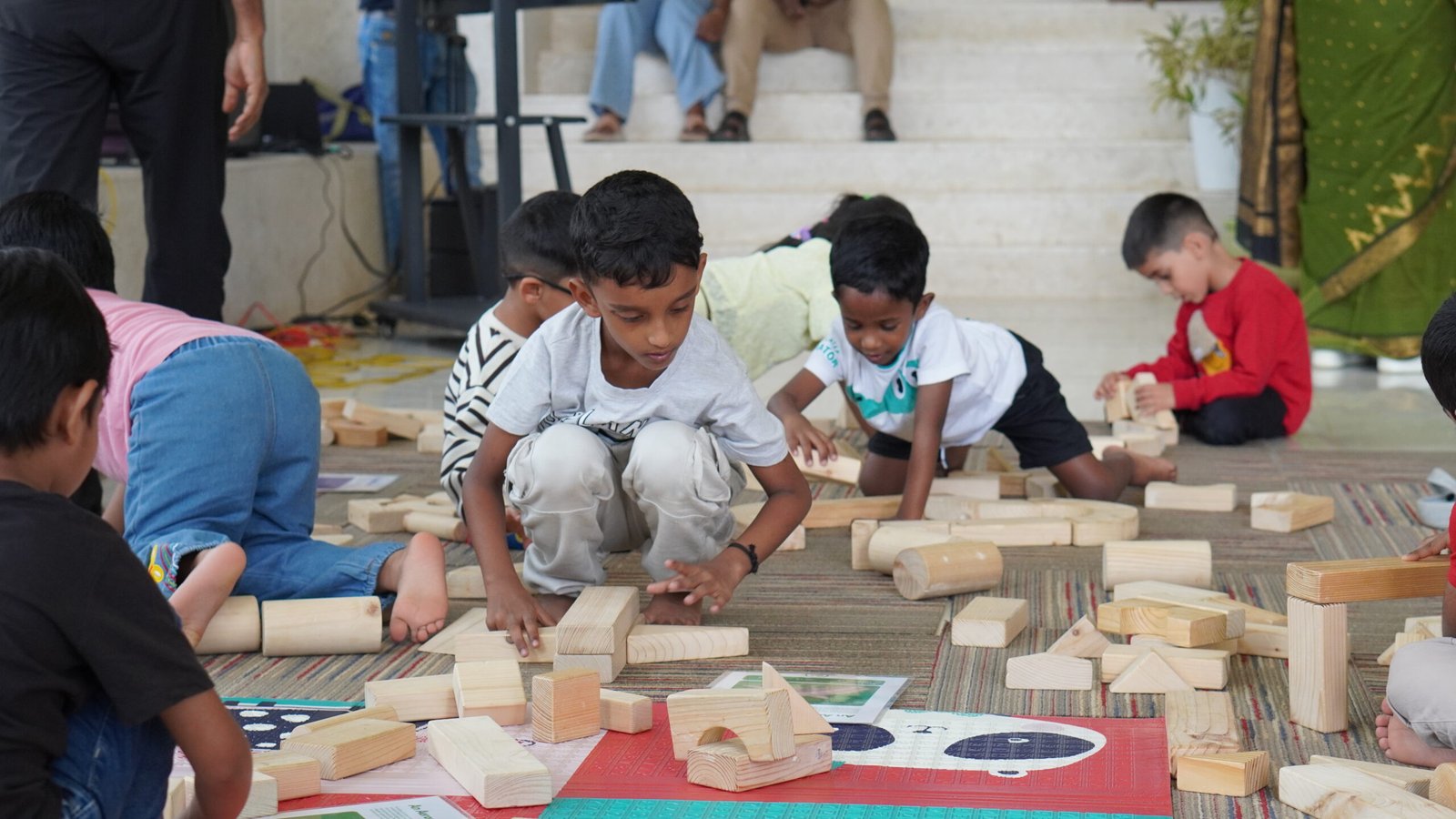
How Does Design Thinking Benefit Children?
In a world where fish can fly and elephants can dance, a traditional classroom can often feel like a stage without any performers. We’ve long struggled as educators, parents, and thinkers with the question of how to best prepare our kids for a future that seems to be changing more quickly than we can imagine. The solution can be found in a strange setting where creativity blooms and imagination knows no bounds: the world of design thinking. This is not the place for rote memorization or standardized testing.
Given the importance of 21st Century Learning and Innovation Skills, it’s evident that traditional approaches may not suffice. Because of this, design thinking emerges as a powerful method for nurturing these crucial skills in children.
Benefits of Design Thinking for Kids
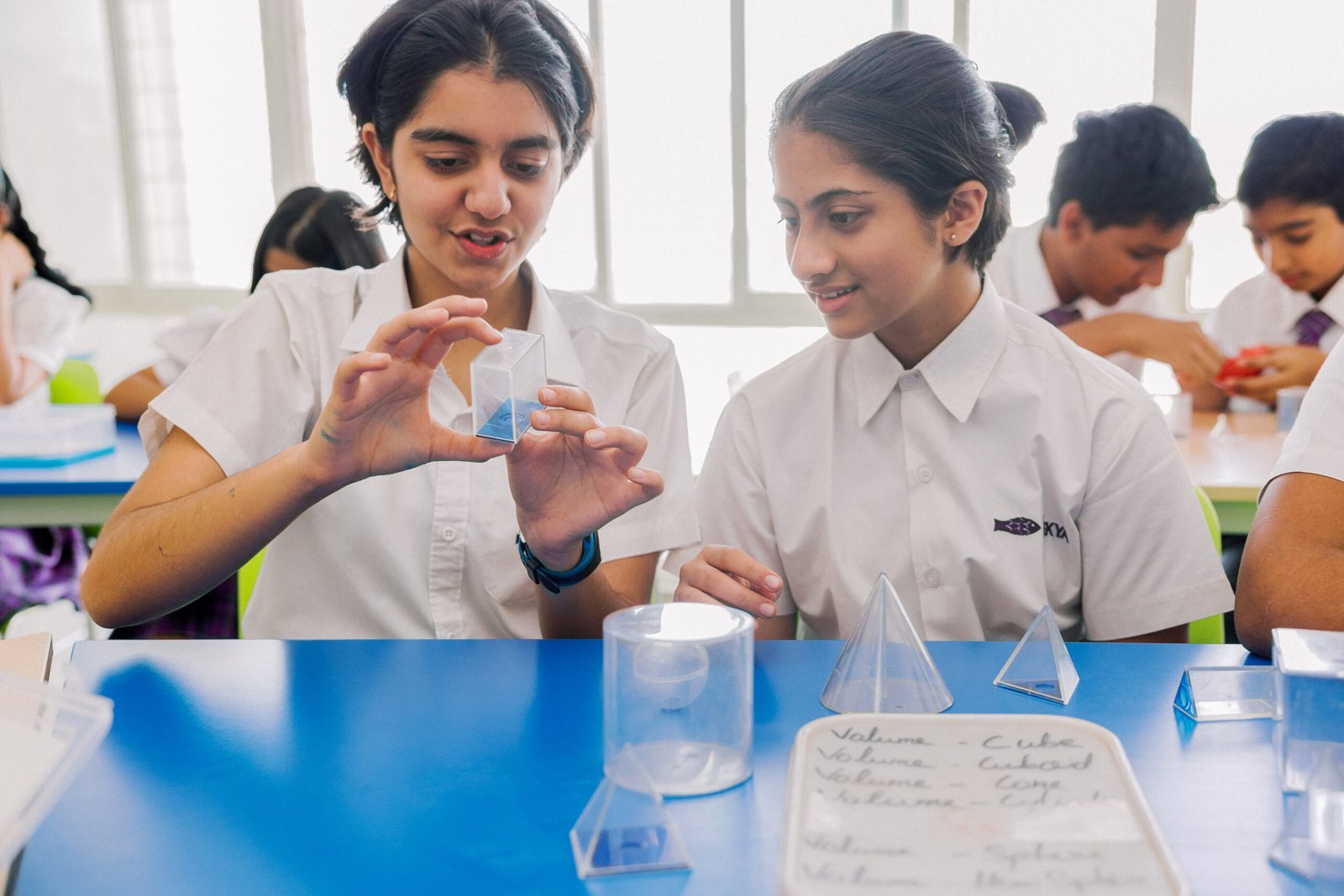
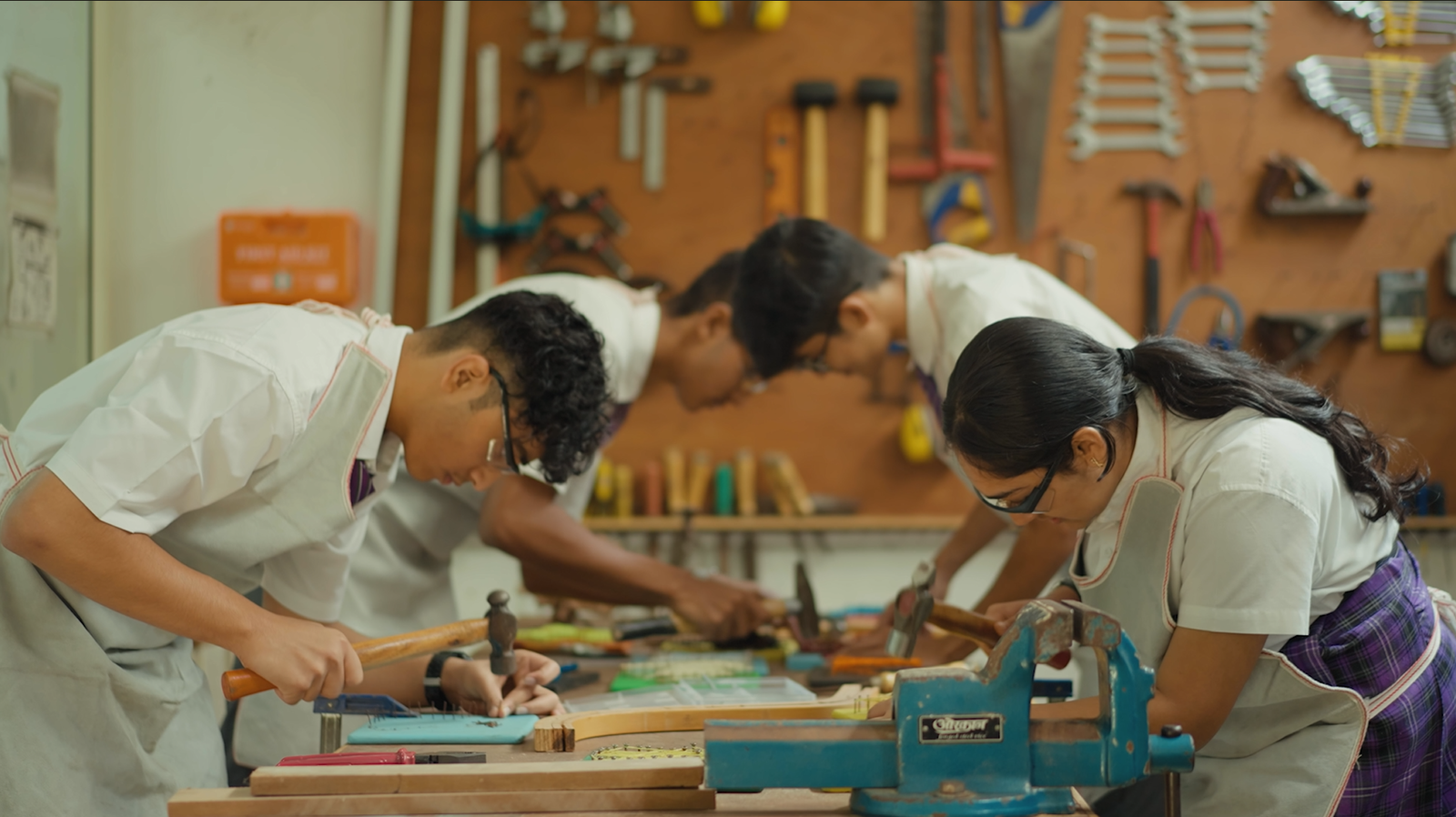
Authentic Learning Experience: Traditional school assignments often lack relevance, leaving kids unmotivated to give their best effort. Design thinking flips the script by challenging children to create something tangible that addresses real problems within their community. This authentic investment inspires intrinsic motivation and keeps them engaged in learning throughout the entire process.
Nurturing Critical Thinking Abilities: Design thinking empowers children to become excellent problem solvers. It guides them through identifying and defining problems, brainstorming creative solutions, and testing those solutions systematically. By encouraging kids to think innovatively and question established norms, design thinking nurtures critical thinking skills essential for navigating real-life challenges.
Fostering Empathy and Understanding: At the heart of the design thinking process lies empathy. Before generating ideas, learners are prompted to understand the perspectives and needs of their end users. This practice cultivates empathy and instills a sense of civic responsibility, preparing children to contribute positively to society by considering diverse viewpoints and walking in others’ shoes.
Building Creative Confidence: Unlike traditional education, where there’s often a right or wrong answer, design thinking celebrates creativity and experimentation. It emphasizes that making mistakes is an integral part of the learning journey, boosting children’s self-confidence and encouraging them to explore new ideas without fear of failure.
Encouraging Continuous Improvement: Effective design thinking involves iterative processes, where ideas are tested, refined, and improved based on feedback. Through this cycle, children develop courage, adaptability, and a growth mindset as they learn to accept and implement constructive criticism. This mindset extends beyond design thinking projects, empowering children to embrace feedback in various aspects of their lives.
Developing Technical Skills for the Future: While not mandatory, many design thinking projects incorporate technology, providing children with opportunities to engage with a variety of creative tools. From modeling software to programming languages and robotics, these projects enhance children’s digital literacy and equip them with valuable technical skills for the future.
Besides sparking curiosity and fostering empathy, design thinking opens doors to a fresh perspective, empowering children to think creatively while solving real-world problems. It’s a path where challenges become opportunities, and every idea holds promise. So let’s equip our children with the skills they need to navigate tomorrow’s challenges with confidence and creativity, building a future where imagination knows no limits.
Looking for the best K-12 school in Bangalore? Apply now to Ekya Nava, India’s first K-12 School of Innovation, Creativity & Design. As one of the leading international schools in Panathur, Wich is located in Panathur Village, Bengaluru, and goes beyond the core curriculum to offer a fresh, future-ready approach to education. Admissions open for 2024–25.