Today’s students don’t just use technology; they live in it. It’s the space where they learn, play, question, and form opinions. At Ekya Nava, one of the best IGCSE schools in Bangalore, our Information Technology & Society (ITnS) pathway helps children make sense of this complicated digital world, how it works, why it matters, and how it is reshaping communities, cultures, and the choices we make every day.
Instead of teaching technology as a standalone subject, ITnS blends computing, ethics, data, society, and human behavior into one meaningful lens. Students build a strong foundation in computing systems, data analysis, networks, algorithms, and programming, all while understanding the social impact behind every tool they use.
Where Technology Meets Humanity
What makes ITnS different from the best international schools in Bangalore is its multidisciplinary mindset.
A session on algorithms becomes a conversation about fairness and bias. A lesson on networks naturally leads to discussions on privacy, security, and digital citizenship. When students explore AI, they also question its ethical boundaries and real-world consequences.
It’s learning that asks not just “How does this work?” but also “What does this mean for people?”
With concepts like ethical AI, digital literacy, and the digital divide woven into everyday learning, students learn to think critically and act responsibly. Acquiring these skills mean far more than simply knowing how to code.
A Middle School Foundation for Real-World Readiness
At Ekya Nava, every middle schooler takes the ITnS pathway. As the digital landscape is impossible to avoid, this has become a life skill, just like reading or numeracy.
Students learn to:
- recognise misinformation
- move safely through online environments
- understand how data is collected and used
- identify the ethics behind digital decisions
And for learners curious to go deeper, ITnS can be paired with other interest-led pathways, giving them the freedom to explore where their passions and talents overlap.
Purpose-Based Learning in Action
ITnS thrives because it is centred around Ekya Nava’s bigger philosophy of purpose-based learning, where learning is designed to be relevant, reflective, and connected to the world outside the classroom.
Students in such leading IGCSE schools in Bangalore don’t just “learn technology”, they use it.
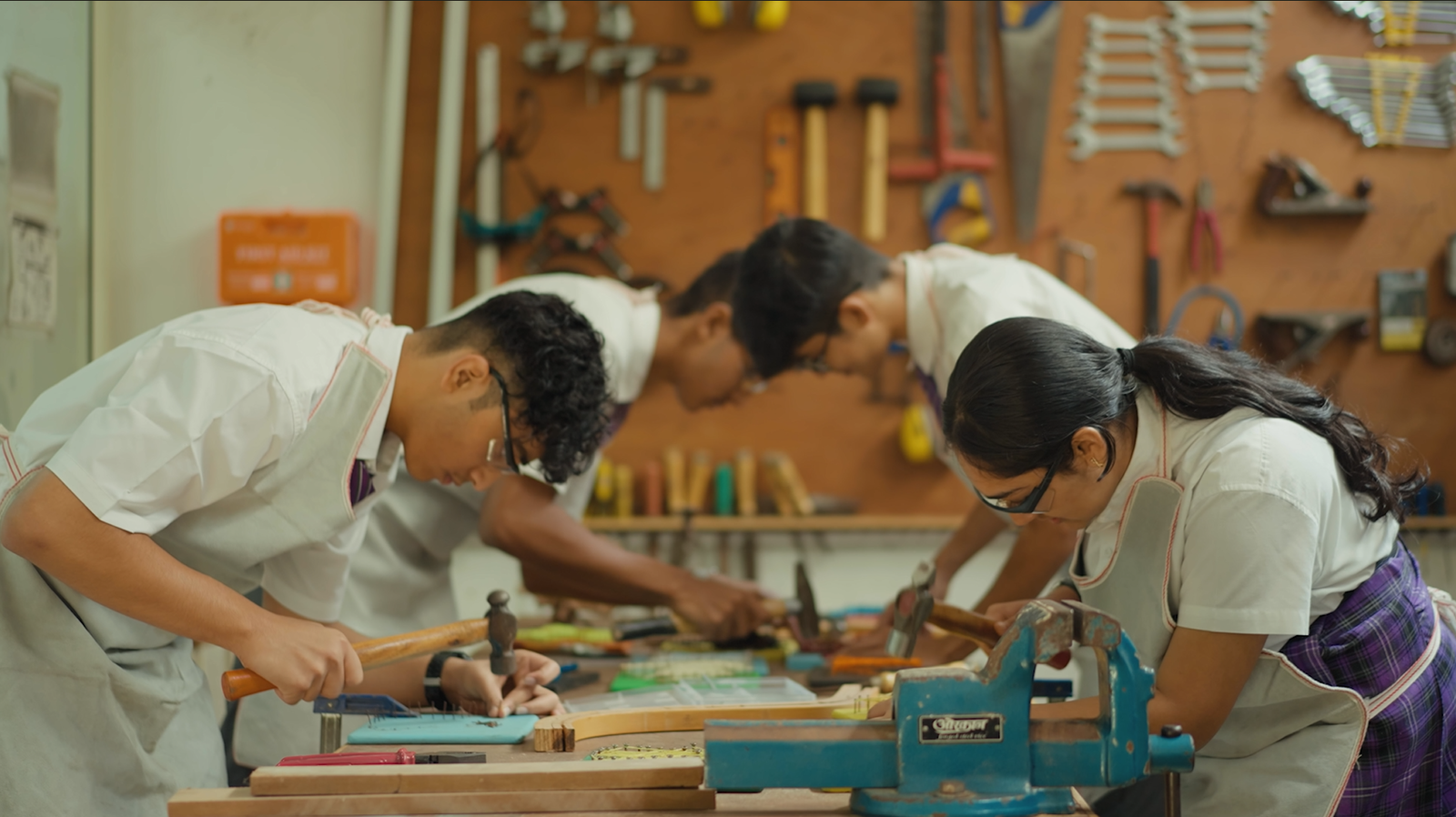
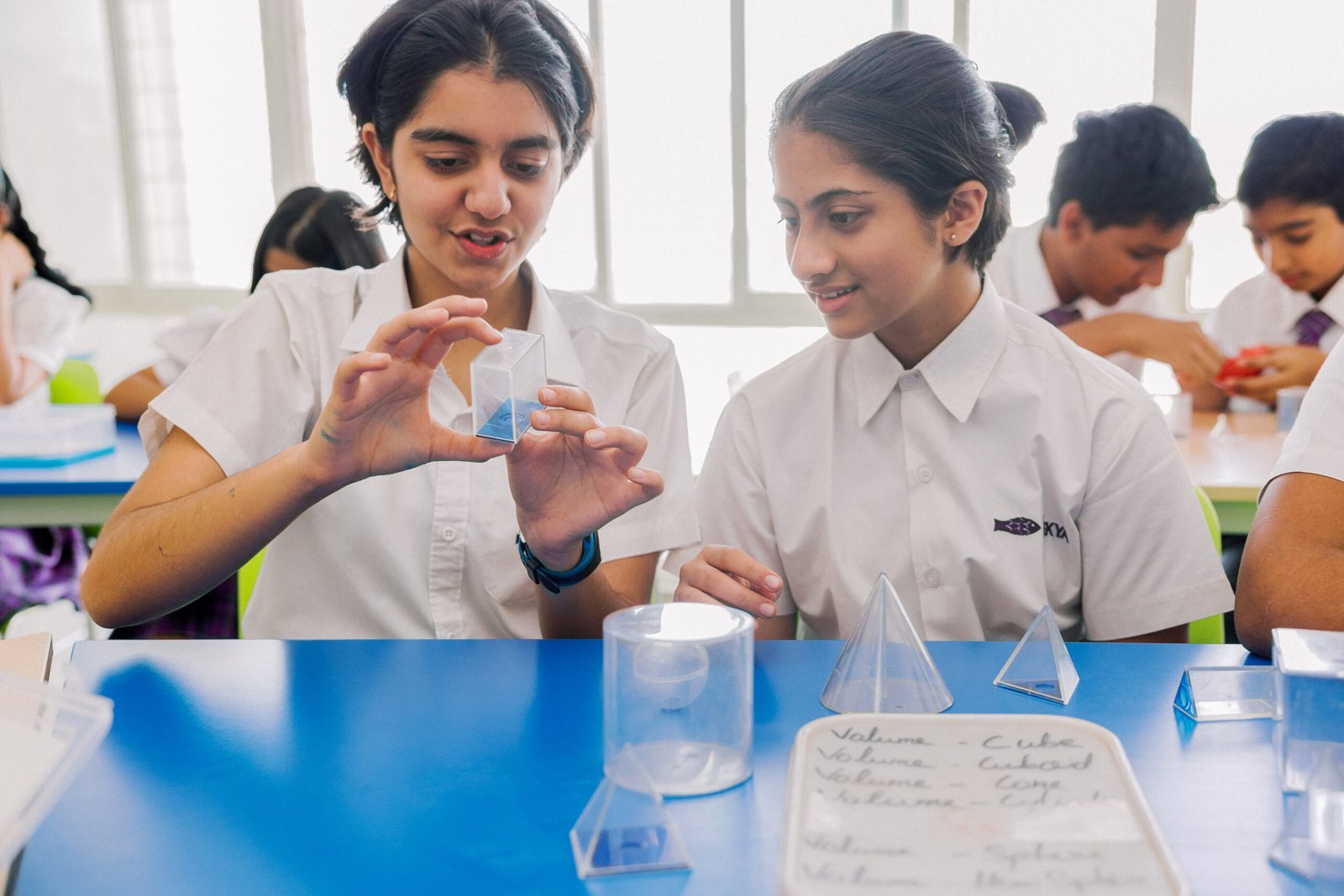
In The Park, our dynamic studio space, learners investigate the relationship between tech and society, design for social impact, explore ethical questions around AI, and examine the digital divide through hands-on projects. They learn, think, and do, three core practices embedded in the pathway.
Analysing data, prototyping solutions, or debating digital rights allow students to see technology as a tool for:
- problem solving
- civic engagement
- environmental stewardship
- creative expression
Spaces Designed to Support Future Thinking
Even the learning environment supports this digital awareness. Ekya Nava’s open studios, cutting-edge technology spaces, and museum-style STEAM exhibits encourage visibility, curiosity, and collaboration, much like open-source systems that thrive on shared ideas.
Students get to explore computing systems, algorithms, network design, and societal ethics in a space that mirrors the real world they are preparing to enter.
Shaping Digital Citizens, Not Just Tech Users
The goal isn’t for learners to master every new tool. It’s to help them grow into thoughtful, ethical, and innovative humans in a rapidly changing world.
A child exploring how computing systems solve real problems…
A middle schooler examining how technology influences behaviour…
A learner designing a project to address the digital divide…
This is what digital fluency looks like at Ekya Nava. ITnS equips students not just to keep up with the digital age, but to shape it, with conscience, creativity, and clarity.